Mengapa Hot Dip Galvanizing Masih Menjadi Proses Perlindungan Baja yang Paling Dipercaya di Dunia
Baja adalah tulang punggung infrastruktur modern, tapi baja yang tidak dilindungi berkarat.Hot dip galvanizingmenonjol untuk ikatan metalurgi, perlindungan tepi penyembuhan diri, dan kinerja biaya siklus hidup yang luar biasa.Peralatan galvanisasi panasyang mengontrol proses dengan presisi.
Proses Galvanisasi, Langkah demi Langkah
- Pengurangan lemak dan pencucian- menghilangkan minyak, lemak dan kotoran dari permukaan baja.
- PenggorenganMandi asam menghilangkan karat dan sisik pabrik untuk mengekspos permukaan yang bersih dan aktif.
- Berflukslapisan fluks seng-amonium klorida mencegah oksidasi sebelum mencelupkan.
- Pengeringan∆ memanaskan benda kerja untuk menghindari percikan seng dan meningkatkan kualitas lapisan.
- Mencelupkan panasBesi direndam dalam seng cair pada 445°C, membentuk lapisan paduan Zn-Fe metalurgi.
- Pendinginan dan inspeksi ketebalan lapisan, perekatannya dan penampilannya diverifikasi sebelum dikirim.
Pengendalian Kualitas yang Memenuhi ISO 1461
Jalur galvanisasi modern menggunakan suhu mandi yang dikendalikan PLC, waktu rendaman dan kecepatan ekstraksi untuk mencapai ketebalan lapisan yang seragam.Persyaratan minimal pelapis khas menurut ISO 1461 ditunjukkan di bawah ini:
| Ketebalan Baja | Ketebalan Lapisan Rata-rata | Ketebalan Lapisan Lokal |
|---|
| ≥ 6 mm | 85 μm | 70 μm |
| 3 mm ️ < 6 mm | 70 μm | 55 μm |
| 1.5 mm ️ < 3 mm | 55 μm | 45 μm |
| < 1,5 mm | 45 μm | 35 μm |
Fitur Peralatan Lanjutan
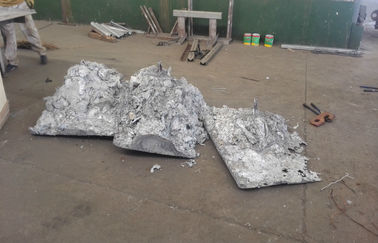
- Kontrol suhu ketel yang tepatmeminimalkan pembentukan kotoran dan abu, meningkatkan pemanfaatan seng.
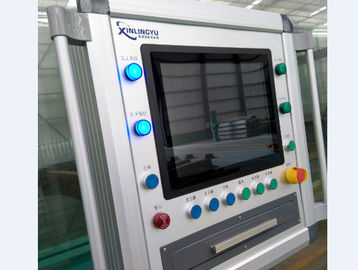
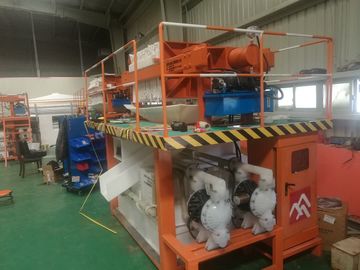
- Peningkatan dan pencelupan otomatismemastikan perendaman yang merata dan mengurangi risiko operator.
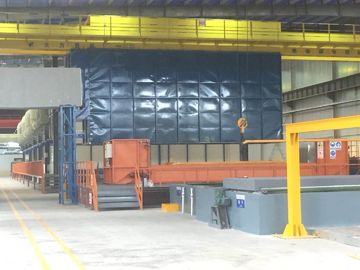
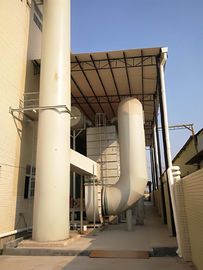
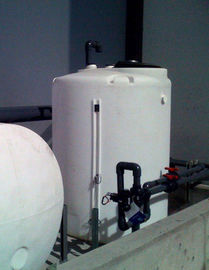
- Sistem pengolahan asapmenangkap asap amonium klorida untuk bengkel yang lebih bersih dan aman.
- Pengukuran dan catatan ketebalan onlinemendukung pelacakan penuh untuk audit kualitas.
Dengan peralatan yang tepat, galvanisers mencapai kualitas pelapis yang melindungi struktur baja untuk50+ tahununtuk insinyur, kontraktor dan pemilik pabrik yang menuntut daya tahan,Investasi dalam peralatan galvanisasi panas yang canggih adalah langkah menentukan menuju infrastruktur bebas korosi.
Keuntungan Biaya Siklus Kehidupan
Meskipun biaya awal galvanisasi sedikit lebih tinggi daripada sistem cat sederhana, masa pakai bebas pemeliharaan jauh lebih lama.baja galvanis dapat bertahan 50 tahun atau lebih, sedangkan baja yang dicat biasanya membutuhkan pengecatan ulang setiap 5 sampai 10 tahun.Hot dip galvanizing adalah hampir selalu strategi perlindungan yang paling ekonomis untuk baja struktural.
Pembersihan rumah tangga yang baik juga memperpanjang umur jalur itu sendiri: menjaga kimia mandi, mengupas abu dan sampah secara teratur,dan sensor suhu kalibrasi menjaga baik kualitas produk dan efisiensi energi yang terbaik.


 Pesan Anda harus antara 20-3.000 karakter!